
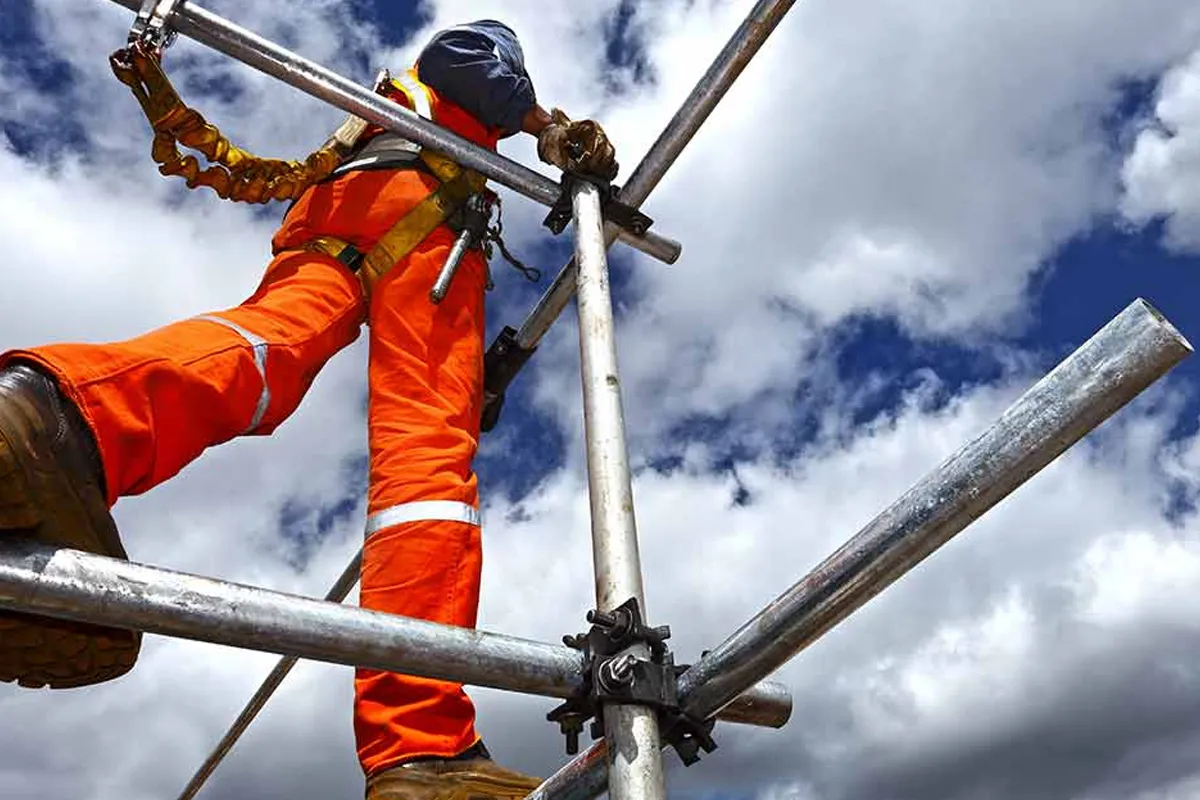
Safety First: How to Prevent Falls on a Construction Site
Falls are one of the leading causes of injuries and fatalities on construction sites. Prioritizing fall prevention is essential to protect workers and ensure a safe working environment. This article provides a comprehensive guide on how to prevent falls on a construction site, focusing on best practices, equipment, and training.
1. Understand the Risks
Before implementing fall prevention measures, it’s crucial to identify and understand the risks specific to your construction site. Common fall hazards include:
- Unprotected Edges: Open edges on roofs, floors, or scaffolding.
- Improper Use of Ladders: Using ladders that are not stable or placed on uneven surfaces.
- Inadequate Guardrails: Missing or poorly installed guardrails on platforms or stairways.
- Slippery Surfaces: Wet or oily surfaces that increase the risk of slips and falls.
2. Use Proper Fall Protection Equipment
Investing in the right fall protection equipment is one of the most effective ways to prevent falls. Essential equipment includes:
- Guardrails: Install guardrails around any elevated platform, roof, or floor opening.
- Safety Nets: Use safety nets to catch workers in case of a fall, especially in areas where guardrails or harnesses cannot be used.
- Personal Fall Arrest Systems (PFAS): Equip workers with harnesses, lanyards, and anchor points to secure them when working at heights.
- Ladders and Scaffolding: Ensure that all ladders and scaffolding are sturdy, properly assembled, and used according to manufacturer guidelines.
3. Implement Comprehensive Training Programs
Training is a critical component of fall prevention. Workers should be thoroughly trained on:
- Fall Hazards: Educate workers about the specific fall hazards on your site and how to avoid them.
- Proper Equipment Use: Train workers on how to correctly use fall protection equipment, including harnesses, ladders, and scaffolding.
- Emergency Procedures: Ensure workers know what to do in case of a fall, including how to assist a fallen worker safely.
4. Conduct Regular Inspections and Maintenance
Regular site inspections and equipment maintenance are essential to prevent falls. Key steps include:
- Daily Inspections: Check all fall protection equipment, ladders, and scaffolding at the beginning of each workday.
- Routine Maintenance: Schedule regular maintenance for equipment to ensure it remains in good working condition.
- Hazard Identification: Continuously assess the site for new hazards that could lead to falls and address them immediately.
5. Establish a Safety Culture
Creating a safety-first culture on your construction site encourages everyone to take responsibility for fall prevention. Strategies include:
- Leadership Commitment: Site managers and supervisors should lead by example, consistently following safety protocols and wearing fall protection equipment.
- Open Communication: Encourage workers to report any safety concerns or potential fall hazards without fear of retribution.
- Safety Meetings: Hold regular safety meetings to discuss fall prevention strategies, review incidents, and reinforce the importance of safety.
6. Comply with OSHA Regulations
Compliance with Occupational Safety and Health Administration (OSHA) regulations is not only a legal requirement but also a best practice for fall prevention. Key OSHA requirements include:
- Fall Protection Standards: Ensure your site meets OSHA’s fall protection standards, which vary based on the type of work being performed.
- Training Requirements: Provide OSHA-mandated fall protection training for all workers exposed to fall hazards.
- Recordkeeping: Maintain accurate records of training, inspections, and any fall-related incidents.
Conclusion
Preventing falls on a construction site requires a combination of proper equipment, thorough training, regular inspections, and a strong safety culture. By implementing these strategies and adhering to OSHA regulations, you can significantly reduce the risk of falls and protect your workers from injury or death.
Remember, safety is everyone’s responsibility. Prioritizing fall prevention not only safeguards your workforce but also enhances productivity and morale on your construction site.